Skip to content
Homes are at the center of our daily lives, and most people spend countless hours keeping them comfortable, functional, and welcoming. Yet no matter how much effort you put in, messes and clutter have a way of creeping back. Between busy schedules, family activities, and everyday routines, it’s easy for cleaning tasks to pile up and feel overwhelming. That’s where structure makes all the difference.
By following a weekly housekeeping checklist, you can stay on top of chores without letting them take over your weekends. A room-by-room plan ensures every space gets attention, helps maintain a healthier environment, and keeps your home feeling calm and organized.
Essential Benefits of Following a Weekly Housekeeping Checklist
Sticking to a checklist helps you stay on top of chores, prevent clutter from piling up, and avoid the stress of weekend cleaning marathons. Beyond a tidy home, there are several long-term benefits.
Stay organized with a housekeeping weekly checklist. A weekly cleaning checklist simplifies chores into an easy checklist for house cleaning. Build a house cleaning to-do list that fits your lifestyle, or create a house deep cleaning check-off list to keep your home consistently fresh, tidy, and welcoming. Here are just some of the benefits awaiting you:

Time-Saving Advantages of Structured Cleaning
When you clean with a plan, you cut down on wasted effort. A weekly house cleaning checklist keeps you focused on the most important tasks, so you don’t waste time jumping from room to room. Instead of constantly “catching up,” you’ll maintain a steady rhythm that saves hours over the month.
Health and Hygiene Benefits
Routine cleaning reduces dust, pet dander, mold spores, and bacteria that accumulate in every home. By including sanitation in your housekeeping checklist, you minimize allergens and keep kitchens and bathrooms germ-free. This is especially indispensable if anyone in your household has allergies, asthma, or a weakened immune system.
Stress Reduction and Mental Clarity
A tidy space reduces stress and creates a sense of calm. With clutter cleared and chores completed, you’ll:
- Boost productivity
- Improve relaxation
- Reduce anxiety
- Maintain focus
- Encourage a positive mindset
Having a weekly house cleaning is as much about mental clarity as it is about physical cleanliness.
Kitchen Weekly Cleaning Checklist Essentials
The kitchen is one of the busiest and messiest areas of the home. Following a structured cleaning plan keeps it fresh and safe.
Daily Maintenance Tasks for Weekly Success
Your weekly cleaning can be made easier with some simple daily steps:
- Wipe down counters and sinks
- Sweep or vacuum floors
- Load and unload the dishwasher
- Take out the trash
- Organize pantry items
These simple habits prevent buildup and make the end-of-week clean less daunting.
Appliance Deep Cleaning Schedule
Every week, dedicate time to:
- Wiping down refrigerator doors and handles
- Scrubbing stovetop burners
- Cleaning inside the microwave
- Checking the pantry and fridge for expired food
- Vacuuming and mopping kitchen floors
Consistent upkeep guarantees that grease and grime never become overwhelming projects.
Food Safety and Storage Organization
Your weekly housekeeping checklist should also include food safety steps:
- Check expiration dates
- Store raw meat on the lowest shelf of the fridge
- Use airtight containers for cereals and snacks
- Label leftovers with dates
- Keep refrigerator temperature below 40 °F (4 °C)
These practices protect your family from foodborne illnesses and keep your kitchen organized.
Bathroom Housekeeping Weekly Cleaning Checklist
Bathrooms require thorough weekly attention because of the high potential for germs and moisture-related issues.
Sanitization and Disinfection Priorities
To maintain a clean and safe bathroom environment, focus on high-touch and high-moisture areas:
- Disinfect countertops and sinks
- Sanitize faucets and handles
- Scrub toilets, tubs, and showers
- Wipe light switches and doorknobs
Regular disinfection prevents mold, mildew, and bacteria from spreading.
Floor and Ventilation Maintenance
Moisture is the enemy in bathrooms; don’t overlook the importance of floor and ventilation maintenance. Each week, make sure to:
- Sweep and mop floors
- Clean grout lines if necessary
- Dust and wipe down the ventilation fans
- Ensure proper airflow to prevent mold
Towel and Linen Management
A fresh rotation keeps your bathroom both clean and inviting. Follow these steps:
- Wash towels weekly
- Rotate and fold clean linens neatly
- Discard or repurpose worn-out towels
- Store spares in a dry cabinet or basket
Simple habits keep your bathroom comfortable and welcoming.
What Should Be Included in Your Living Areas’ Weekly Cleaning Routine?
Simplify cleaning with a housekeeping cleaning checklist. From kitchens to bedrooms, a weekly house cleaning checklist and house cleaning to-do list keep tasks clear. Choose an easy checklist for house cleaning or design your own customized house cleaning check-off list for efficient routines and a spotless home every week. Living rooms, family rooms, and entryways are high-traffic spaces that benefit from periodic attention.
Furniture and Surface Care
Proper furniture and surface care are the first steps towards a clean space. To keep your house inviting:
- Dust shelves, tables, and electronics
- Wipe furniture with the proper cleaner
- Vacuum upholstery and cushions
- Organize books, magazines, and remotes
Consistent upkeep prevents the buildup of dust and keeps your furniture looking fresh longer.
Floor Care by Surface Type
You can effectively maintain the floors in your living areas by following these four crucial steps:
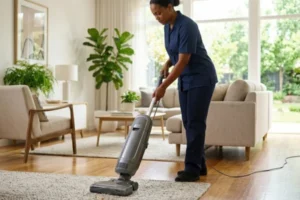
- Vacuum rugs and carpets thoroughly
- Mop hardwood or tile with safe cleaners
- Use a steam cleaner for carpets occasionally
- Spot-treat stains before they set
Your weekly house cleaning checklist ensures that floors always look their best and last longer.
Lighting and Window Maintenance
Bright, clean areas greatly enhance the overall ambiance of your house:
- Dust lamps, shades, and fixtures
- Clean windows with streak-free spray
- Wipe down sills and frames
- Wash or vacuum blinds and curtains
A room’s atmosphere can be immediately improved by having clean windows and comfortable lighting.
Bedroom and Personal Space Weekly Housekeeping Checklist
Bedrooms should be restful retreats, and a housekeeping weekly cleaning checklist helps keep them that way.
Bed Linen and Mattress Care
To keep your bedroom a restful and healthy space, start with the basics of bed care:
- Wash sheets and pillowcases weekly
- Rotate and vacuum mattresses
- Spot clean spills or stains
- Air out the mattress when possible
These simple steps don’t just freshen your bed, they also improve air quality, reduce allergens, and help you sleep more soundly night after night.
Closet Organization and Clothing Care
While organizing your closet and caring for your clothing may seem stressful, a systematic approach makes it manageable and rewarding:
- Declutter and donate unused clothing
- Organize by season and category
- Use matching hangers for a tidy look
- Inspect clothes for stains or needed repairs
Small weekly efforts prevent closets from becoming overwhelming.
Personal Item Organization
Organizing personal items in your bedroom and personal space can greatly enhance your overall environment. Here’s what you can do:
- Sort through books, papers, and décor
- Organize jewelry, accessories, and personal care items
- Tidy nightstands and dressers
- Clear away items you no longer use
By keeping personal items organized, you create a clutter-free space that feels calm and intentional. A tidy bedroom makes it easier to relax, recharge, and start each day with a clearer mindset.
Final Thoughts

Sticking to a weekly housekeeping checklist ensures no room in your home gets neglected. By cleaning systematically, kitchen, bathroom, living areas, and bedrooms, you’ll save time, maintain hygiene, and reduce stress. Consistency is the secret: once cleaning becomes a habit, it no longer feels like a burden.
Stop feeling overwhelmed by household chores every weekend. Regal Housekeeping makes it simple with a customizable weekly cleaning checklist template. Our weekly house cleaning checklist breaks chores into easy steps so you can enjoy a healthier, more organized home and reclaim more time for yourself.
Frequently Asked Questions
1. How can I create a personalized housekeeping checklist?
Start by listing all the rooms in your home, then add specific tasks for each—like dusting, vacuuming, or organizing drawers. Decide how often each chore should be done: daily, weekly, or monthly. Tailor it to your lifestyle, keeping in mind your priorities and schedule. Finally, write your checklist down or post it where you’ll see it often, so you stay consistent and motivated.
2. What cleaning supplies do I need for weekly housekeeping?
A few basics cover most weekly chores. Stock an all-purpose cleaner, glass cleaner, disinfectant wipes, and a sturdy mop. Keep microfiber cloths for dusting and sponges for scrubbing, along with a vacuum for carpets and rugs. A broom and dustpan handle hard floors, while trash bags make quick disposal easy.
3. How long should each room’s cleaning take?
The time depends on the room size and the current condition. Smaller spaces like bathrooms or bedrooms may take 15–30 minutes, while kitchens and living rooms might need 30–60 minutes. If chores have piled up, expect longer. To stay on track, use a timer and focus on essentials first, such as vacuuming, wiping surfaces, and sanitizing high-touch areas.
4. Can children help with housekeeping tasks?
Yes—kids can be a big help when given age-appropriate chores. Young children can pick up toys or dust, while older kids can sort laundry, sweep, or help organize. Turning tasks into a game or setting a timer keeps them engaged. Not only does this lighten your workload, but it also teaches responsibility and builds lifelong habits.
5. What if I miss a cleaning task during the week?
Missing a task isn’t the end of the world. Just reassess your priorities and fit it in where you can—either over the weekend or by rolling it into next week’s plan. The key is consistency, not perfection. Staying flexible ensures your home remains tidy without adding unnecessary stress.